
What It’s Like to Drive a Honda N-ONE e:, a Japan-Only K-Car EV
I recently had the opportunity to borrow a Honda N-ONE e: for five days. What makes this car particularly interesting for international readers is that it belongs to Japan’s unique kei-car (K-car) category, a vehicle class that exists only in Japan.
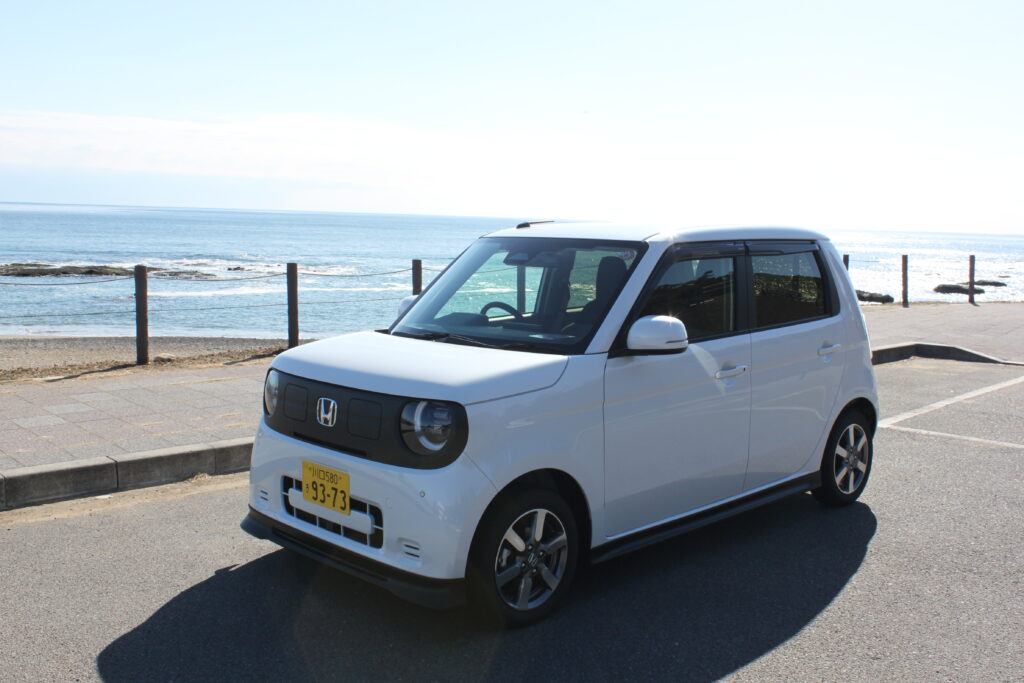
Kei cars are defined by strict size and engine regulations in case of ICE vehicles. They are compact, lightweight vehicles designed for efficiency and urban practicality. In exchange, owners benefit from lower taxes and insurance costs. The N-ONE e: is an electric version of this uniquely Japanese automotive concept.
Day 1: Long-Distance Driving in a K-car EV
Kei cars are often associated with short urban trips, narrow streets, and practical daily errands within neighborhoods. So I was curious: how would an electric kei car perform on an expressway?
With an estimated range of around 160 km displayed on the meter, my expectations were modest. Yet cruising at a steady 80 km/h on the expressway felt surprisingly relaxed. The silence typical of EVs, combined with adaptive cruise control, made the drive comfortable.
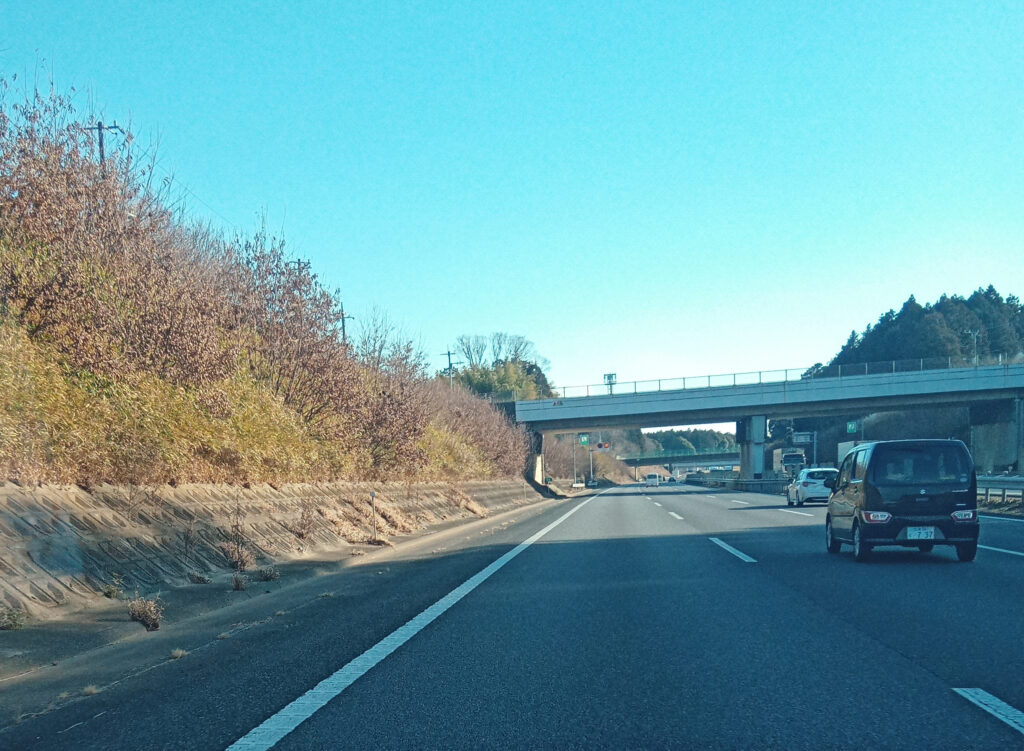
It challenged my preconception that a kei car is “only for the city.”
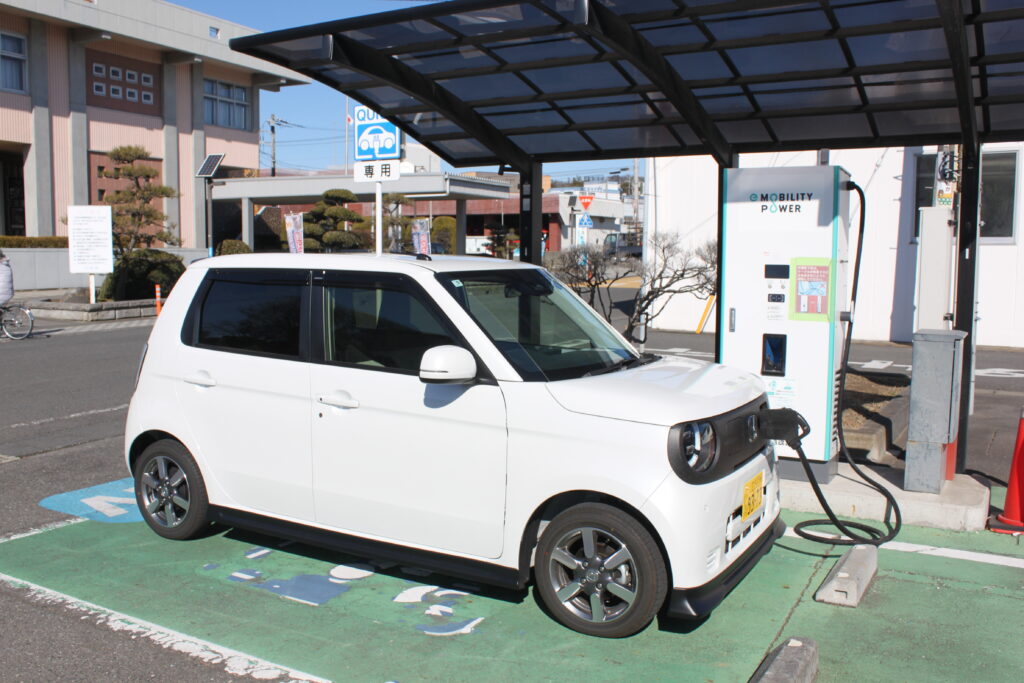
Still, the charging infrastructure revealed limitations. Rapid chargers in rural areas were sometimes difficult to access, and payment systems were not always intuitive. For wider EV adoption, especially among ordinary drivers, usability matters as much as battery capacity.
Day 2: From Inland Saitama to Yokohama
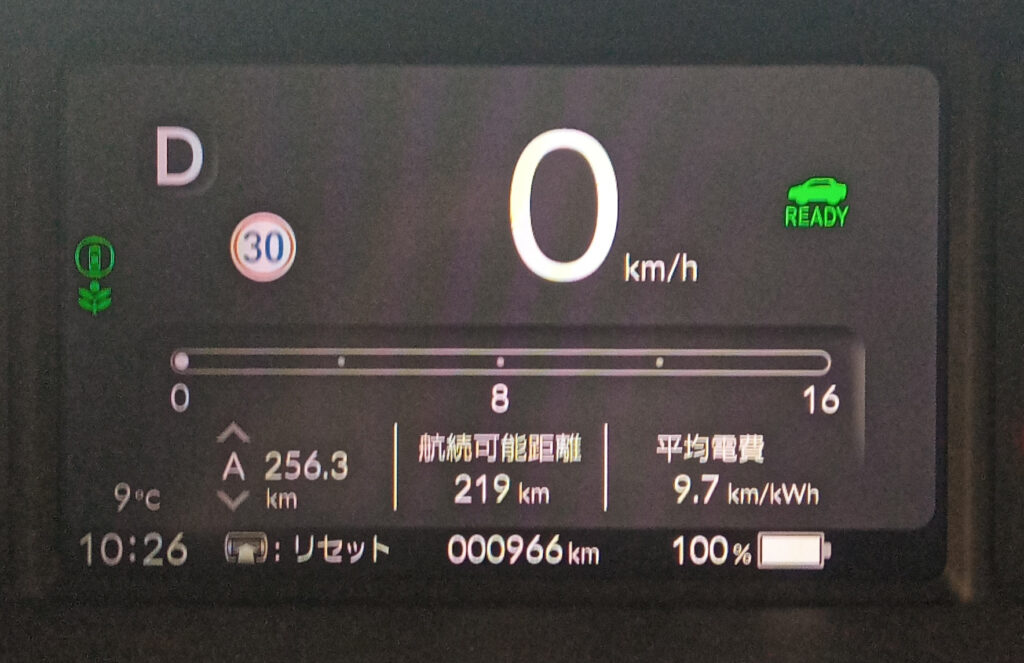
The next day, I drove from inland Saitama to Yokohama. On the second day, starting with roughly 219 km of indicated range, the drive was smooth even with expressway traffic.
For a vehicle that fits within Japan’s kei regulations, narrower and shorter than most global subcompacts, the N-ONE e: felt stable and confident. I finished the day with comfortable range remaining, reinforcing the idea that even a kei-class EV can handle medium-distance travel.
For readers outside Japan, this may be surprising. Vehicles this small are rare in North America, and in many countries such a car would be considered unusually tiny. Yet within Japan’s infrastructure and driving environment, it feels perfectly natural.
Day 3: A K-Car in the City
I briefly considered a longer drive toward Shizuoka Prefecture, but instead chose a shorter urban trip to photograph the N-ONE e: against Tokyo’s cityscape.
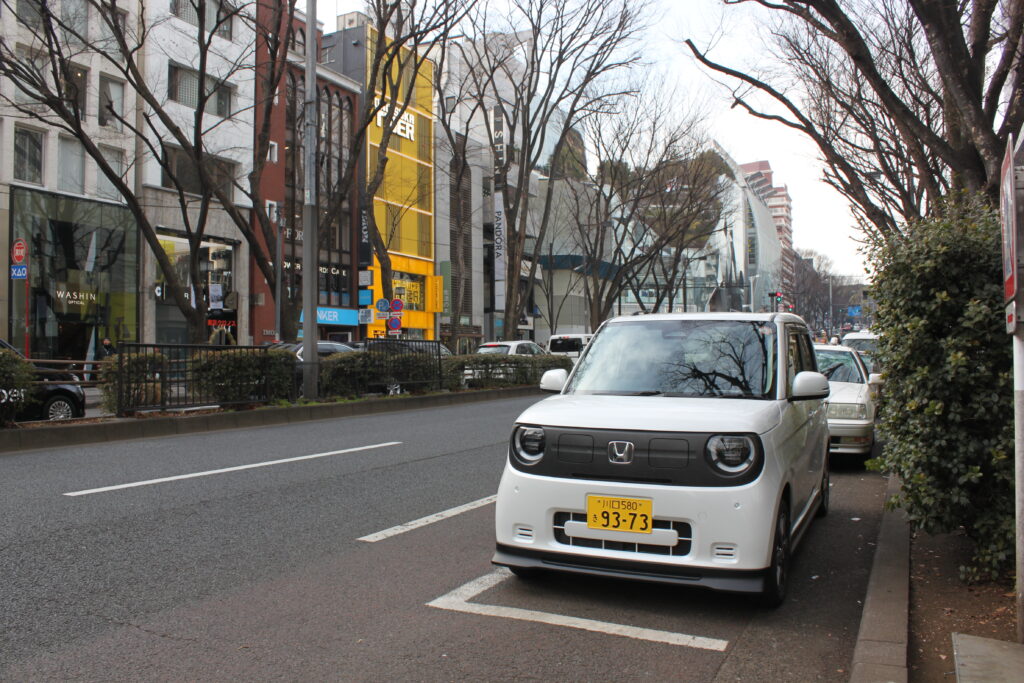
In fashionable districts like Aoyama, the compact kei-car silhouette stands in sharp contrast to luxury SUVs and imported sedans. In the 1980s, the Honda Today, a stylish kei car of its time, was even marketed as a product of Aoyama, carrying a certain urban sophistication. Against that historical backdrop, the design of the N-ONE feels overly modest, perhaps even too restrained for such a setting.
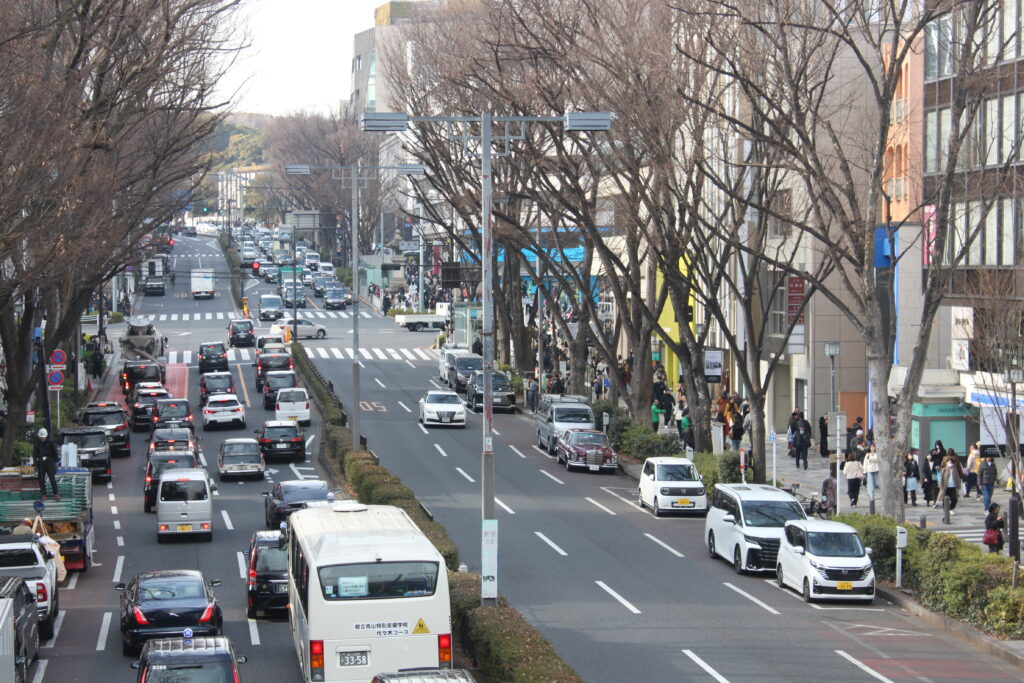
This was, admittedly, a slight disappointment. I found myself wishing that kei-car EVs would aim to be more visually compelling; not merely symbols of environmental consciousness or economic efficiency, but attractive objects of design in their own right.
A Broader Reflection
Driving the N-ONE e: reminded me that EV discussions are often dominated by large vehicles with long ranges and high price tags. But Japan’s kei-car ecosystem presents another model: small vehicles optimized for local realities.
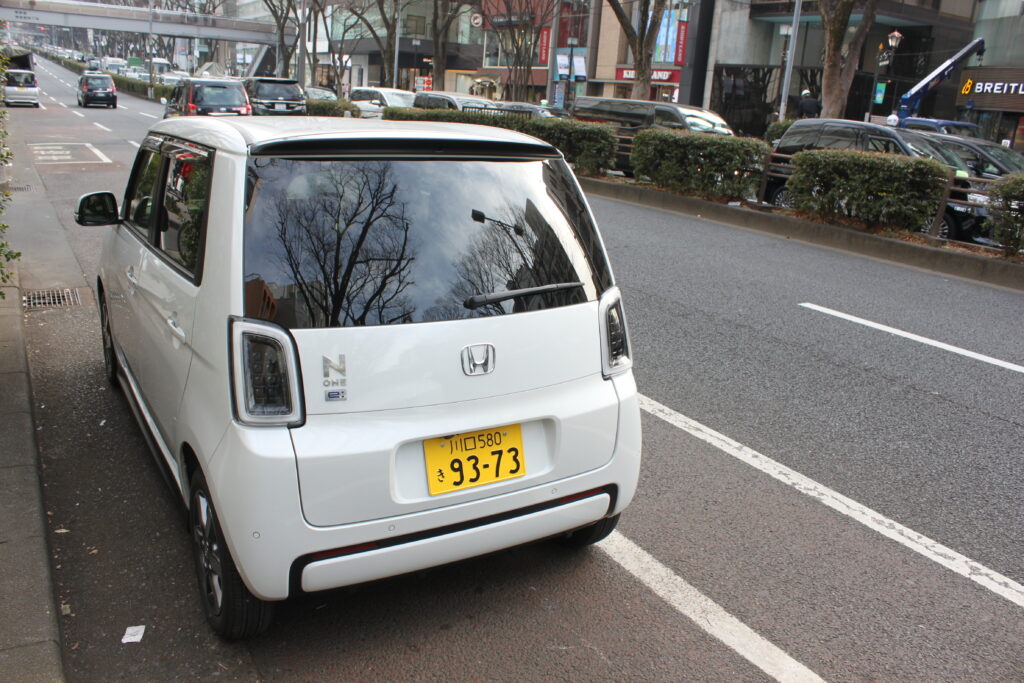
The N-ONE e: may only be available in Japan, but it raises an interesting question for global mobility debates:
Do we always need bigger batteries and bigger cars, or could smaller, lighter vehicles meet most daily needs?
2026/02/16 8:10 PM - Tweet Facebook